Bright Ideas: Designing Energy-Efficient Electrical Systems for New Homes Sep 03, 2026
The first step in creating an energy-efficient electrical system is understanding your energy needs and planning accordingly. A comprehensive energy audit can provide valuable insights into the current use and highlight areas for improvement. Conduct this analysis early in the construction phase to integrate the most effective solutions seamlessly. Remember, the goal is not just to conserve energy but to increase the overall efficiency of your home's electrical system.
One of the most effective methods to achieve energy efficiency is through the strategic use of lighting. Opt for LED lighting solutions, which consume significantly less energy than traditional incandescent bulbs and have a longer lifespan. Incorporating smart home technology, such as automated lighting controls, can further enhance energy savings. These systems allow you to manage your lighting remotely, ensuring that lights are only used when needed. These practices not only lower electricity usage but also decrease the frequency of bulb replacements, thereby reducing waste.
Another critical factor is the selection of high-efficiency appliances. Modern appliances are designed to use less energy without compromising performance. When considering appliances for your new home, look for those with an Energy Star certification, which signifies they meet or exceed energy efficiency guidelines. This can apply to everything from refrigerators and dishwashers to HVAC systems. Choosing energy-efficient appliances plays a pivotal role in reducing your overall energy consumption.
The integration of renewable energy sources, like solar panels, can further augment your home's energy efficiency. Solar energy is a sustainable and often cost-effective solution for reducing reliance on the grid. While the upfront costs can be significant, the long-term savings and potential tax incentives often outweigh initial expenses. Moreover, integrating battery storage systems can provide backup power and protect against disruptions, offering peace of mind along with savings.
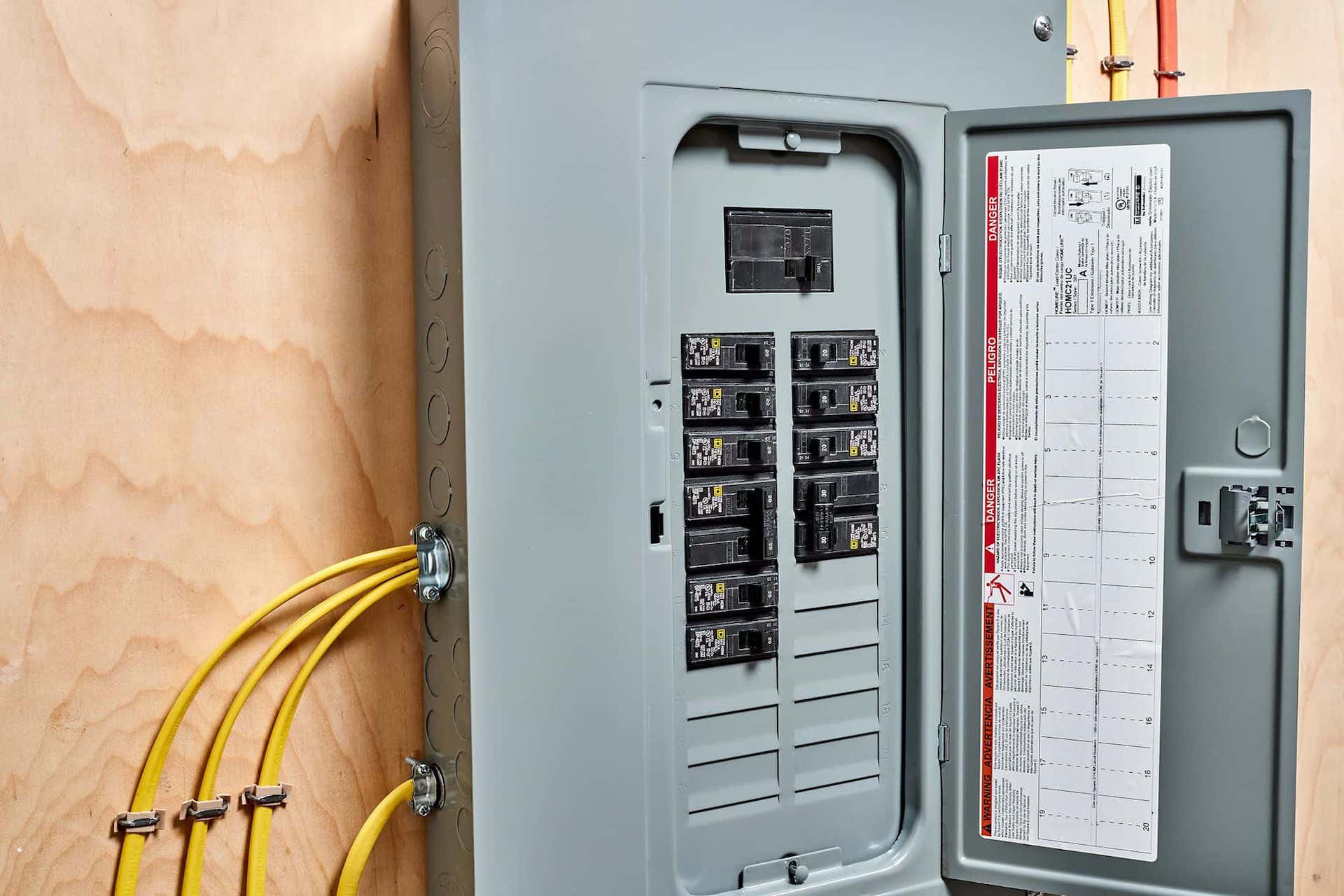
Proper wiring and circuit design are also fundamental in maximizing energy efficiency. Ensure that high-quality materials are used and that installation is performed by licensed electricians, like those from R M Service Group LLC. Poorly designed systems can lead to energy loss, increased wear on equipment, and potential safety hazards. Having a well-planned electrical design will improve energy distribution and overall system reliability.
Lastly, consider the intelligent placement of outlets and switches throughout your home. Efficient layouts decrease the need for extension cords, which can often lead to wasted energy. Additionally, installing motion sensors in specific areas of the home ensures that lights and power are only used when necessary. These systems can be particularly beneficial in rooms like garages or basements where activity is less frequent.
In conclusion, designing an energy-efficient electrical system involves a blend of smart planning, the use of advanced technology, and a focus on quality materials. By implementing these strategies, homeowners can substantially reduce energy consumption and promote sustainable living. Whether you're starting from the ground up or modernizing an older home, R M Service Group LLC is here to guide you through the process, ensuring your home is both environmentally friendly and cost-effective. Let us help you find the bright ideas that will light up your energy-efficient future.
/filters:no_upscale()/filters:format(webp)/media/d64968e5-48c2-4019-bea0-edd5cda4384a.jpeg)